In the world of commercial property management, maintaining a pristine landscape is a top priority. A healthy, vibrant lawn creates a positive first impression, boosts property value, and reflects the professionalism of your business. However, many common lawn care practices are based on outdated myths that can actually harm your grounds and increase your maintenance costs. At Forever Green, a trusted leader in commercial landscape services in the Lowcountry of Charleston, we believe that smarter landscaping starts with the right knowledge. Let’s debunk three of the most persistent lawn care myths and reveal the truth behind a truly healthy, sustainable lawn.
Myth #1: “More Water Equals a Greener Lawn”
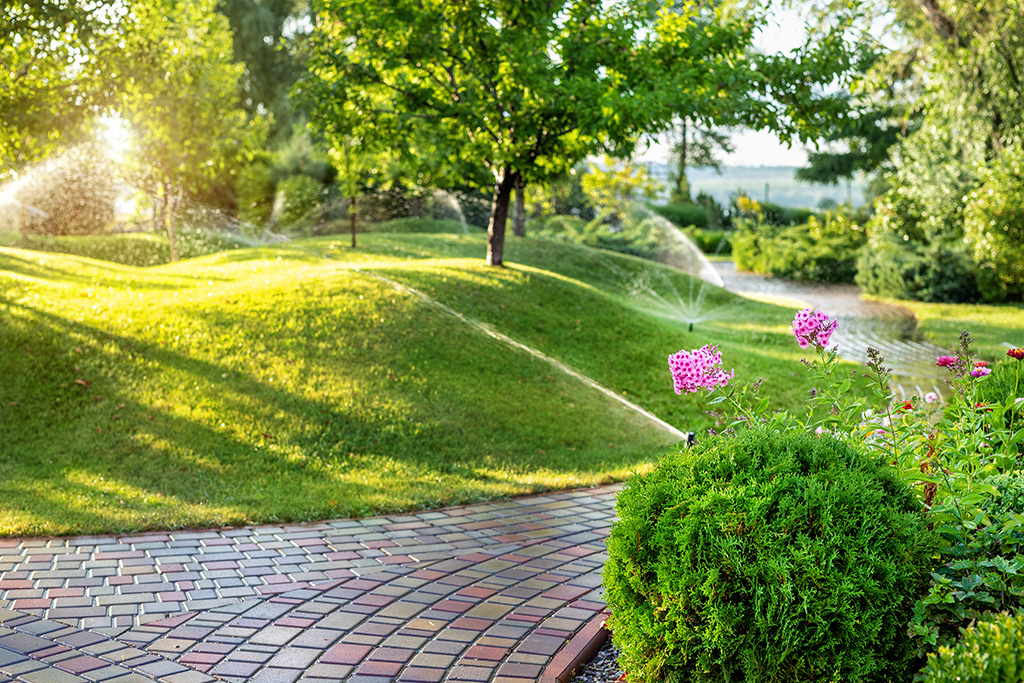
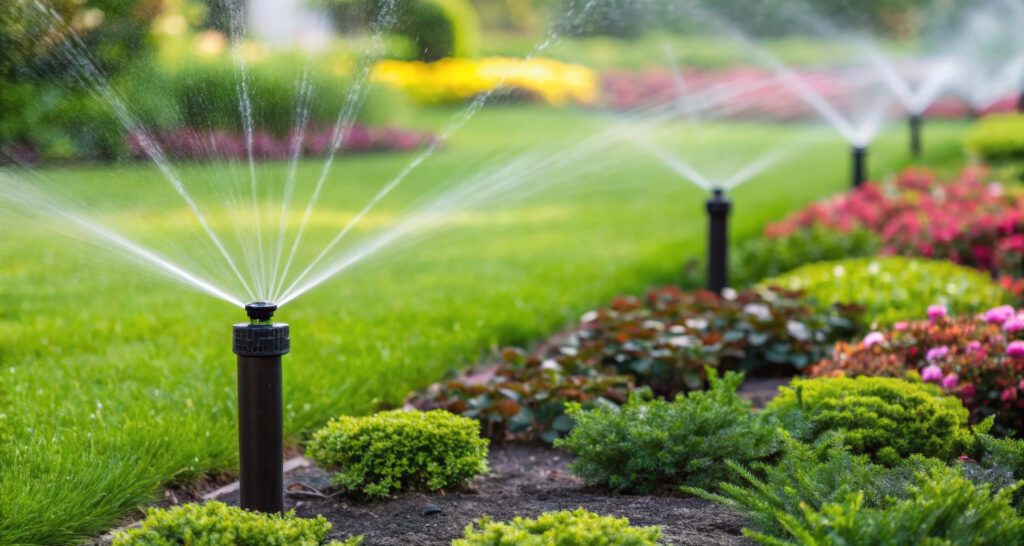
This is perhaps the most common misconception in all of lawn care. Property managers often believe that dousing their grounds with water, especially during hot summers, will guarantee a lush, green turf. In reality, overwatering is one of the quickest ways to damage a commercial landscape.
The Truth: Watering deeply but infrequently is far more effective. When you water for short periods every day, moisture only penetrates the top layer of soil. This encourages grass roots to stay shallow, making them weak and highly susceptible to heat stress and drought. A deep, infrequent watering schedule forces roots to grow deeper in search of moisture. This builds a more robust, drought-tolerant root system that can withstand dry spells and extreme temperatures. Furthermore, overwatering can lead to a host of problems, including:
- Fungal Diseases: Constantly wet soil creates an ideal breeding ground for harmful fungi.
- Nutrient Leaching: Excess water washes essential nutrients away from the root zone, leaving your turf starved.
- Increased Costs: Running irrigation systems unnecessarily raises water bills and wastes a precious resource.
For a commercial property, a professional irrigation audit and a smart watering schedule, customized to the local Charleston climate and soil type, is the key to a truly resilient and green lawn.
Myth #2: “Mowing Short is Better for the Grass”
The idea of cutting a lawn as short as possible to reduce the frequency of mowing seems logical on the surface. After all, less mowing means less time and labor. However, this is a practice that can have severe negative consequences for your turf’s long-term health.
The Truth: Mowing your grass too short (also known as “scalping”) puts enormous stress on the plant. The grass blade is the plant’s food factory; it’s where photosynthesis occurs. When you cut it too short, you reduce its ability to produce the energy it needs to thrive. This leaves the lawn vulnerable to weeds, pests, and disease. A few key reasons to avoid a shortcut include:
- Weed Invasion: Taller grass blades shade the soil, preventing weed seeds from germinating. A short lawn is an open invitation for opportunistic weeds to take root.
- Stressed Roots: A shorter blade leads to a shorter, weaker root system. This makes the lawn less able to handle drought and foot traffic.
- Heat Damage: Taller grass provides a natural layer of insulation for the soil, helping it retain moisture. A scalped lawn exposes the soil to the sun, leading to faster evaporation and heat stress.
The general rule of thumb is to never remove more than one-third of the grass blade’s height in a single mowing. Mowing at a taller height, typically between 2.5 to 3.5 inches, promotes a deeper, healthier root system, a more resilient turf, and a landscape that looks professionally maintained.
Myth #3: “Organic Treatments are Always Ineffective”
In the past, the conventional wisdom was that only harsh chemical fertilizers and pesticides could deliver the results needed for a picture-perfect commercial lawn. While chemical applications can be effective, the idea that organic treatments are a second-rate alternative is a myth that needs to be dispelled.
The Truth: Organic lawn care has advanced significantly and now offers powerful, effective solutions for commercial properties seeking a more sustainable approach. Organic fertilizers, for example, work by enriching the soil with beneficial microbes and nutrients, creating a self-sustaining ecosystem that supports strong, healthy grass growth from the ground up. In contrast, synthetic fertilizers often provide a quick burst of growth but can deplete the soil’s long-term health.
Organic treatments also include:
- Compost and Topdressing: These natural amendments improve soil structure, increasing its ability to hold water and nutrients.
- Integrated Pest Management (IPM): This approach uses a combination of natural predators, cultural practices, and targeted applications to control pests, minimizing the need for broad-spectrum chemical sprays.
For commercial clients in Charleston, embracing organic options not only aligns with corporate sustainability goals but also results in a healthier, more resilient landscape that is safer for employees, clients, and the local ecosystem.
A beautiful commercial landscape is a valuable investment, and protecting that investment requires moving beyond common myths. By understanding the true science of watering, mowing, and fertilizing, you can make smarter, more sustainable choices for your property. At Forever Green, our team of experts is dedicated to providing commercial clients with the knowledge and services needed to achieve a healthy, thriving landscape. Contact us today at (843) 884-5221 to learn how we can help you debunk the myths and cultivate the professional grounds your business deserves.